
Held, sung to, observed daily.
By the end of infancy, your child is held by name. They eat on a routine and know every face in their room.
Music starts with Josiah Phonics, Baby Jukebox, lullaby, and rhythm play.
Book an Infant tourMontessori every morning. Music • Art • Performance (MAP) through the week. Your child is known by name, by the same teaching team, all year. From two months to the Primary Years.
★★★★★ “I didn’t hesitate to enrol my younger one too.” — Carolyn Chen, parent
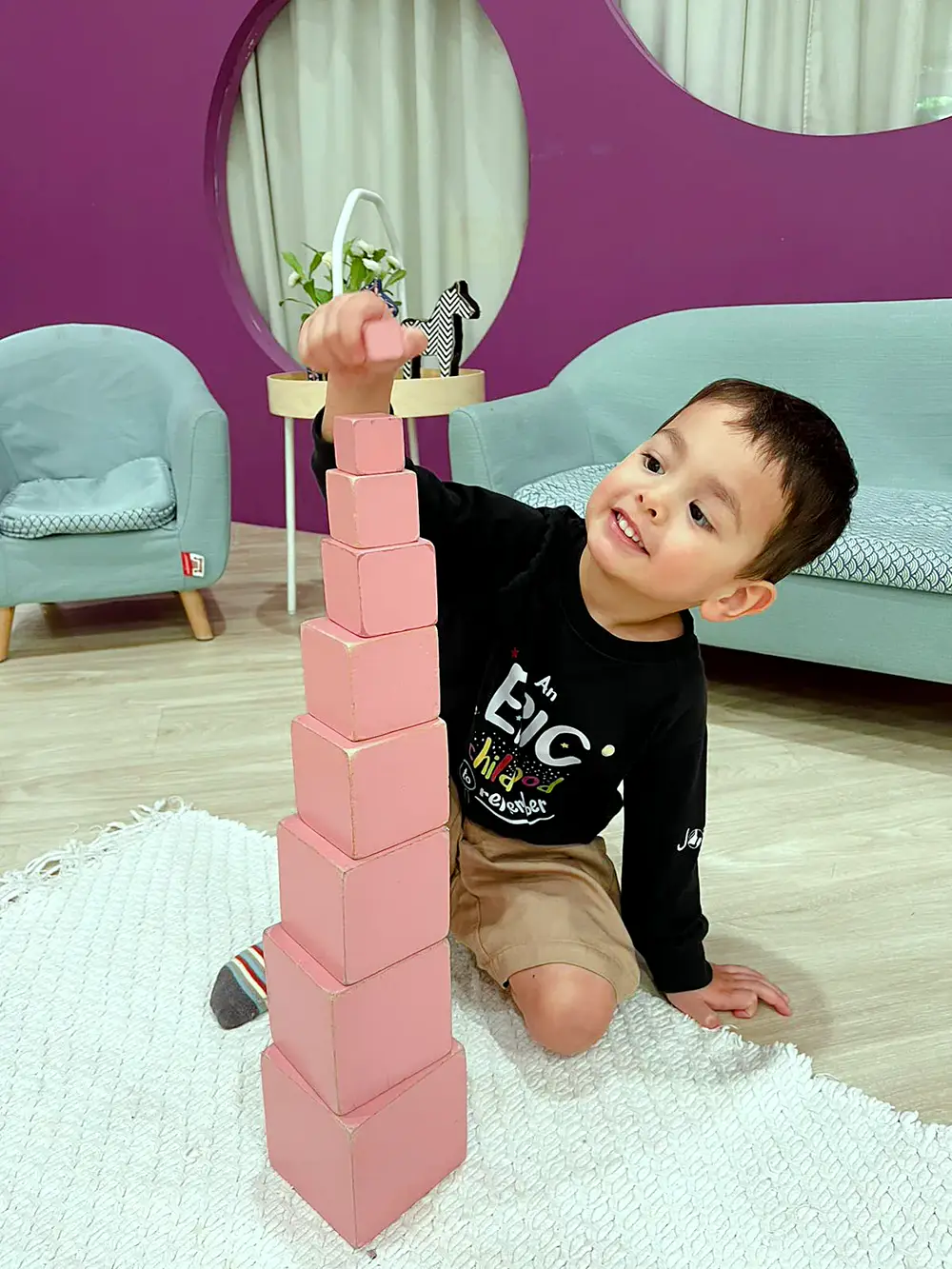 Pillar 1 · Montessori
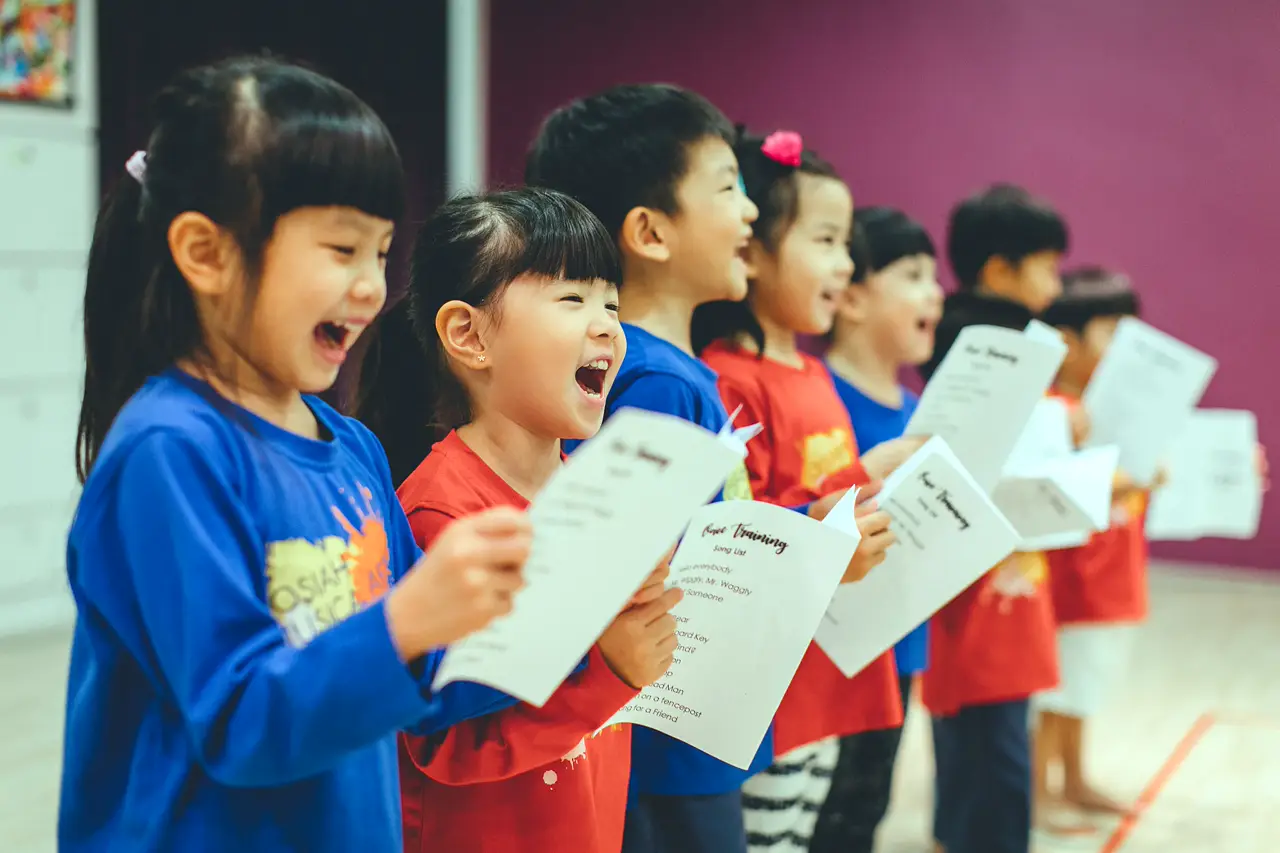 Pillar 2 · Music • Art • Performance (MAP)
We’ve kept this pattern since 1997.
By the end of infancy, your child is held by name. They eat on a routine and know every face in their room.
Music starts with Josiah Phonics, Baby Jukebox, lullaby, and rhythm play.
Book an Infant tourSelf-feeding, self-dressing, first Practical Life shelves. The morning rhythm we build at two is the one they walk into at five.
MAP joins the toddler room twice a week, in the morning, for a 1.5-hour age-appropriate session.
Book a Toddler tourIndependent learning on real apparatus, with bilingual literacy every morning. Five MAP disciplines rotate through the week.
MAP runs 4 times a week at N1 (Vocal · Dance · Classical Music). 4 times at N2 when Chinese Speech & Drama joins.
Book a Nursery tourAddition through division, cloze passages, composition, and project work. Bilingual literacy through Josiah Phonics and 华文青草原.
MAP runs 4 times a week at K1, building to the K2 graduation performance.
Book a Kindergarten tourTwo bilingual work cycles. A morning that starts with song. One MAP discipline most days, rotating across the week.
A typical K1 rhythm. Stage and centre adjust for ratios and rest. See Curriculum for infant and toddler timetables.
Montessori builds the foundational learning habits. The Music, Art & Performance (MAP) Programme builds expression and the voice to use them. Both run in parallel, every day, from the same teaching team.
Your child focuses on the work that matters to them, for as long as it takes. We build the morning around that focus: authentic apparatus, a plan your child owns, the same trained teacher all year. Teachers watch, then step in when your child needs them.
Five disciplines built into the weekly rhythm: Vocal Training, Dance, Art Appreciation, Classical Music Appreciation, and Chinese Speech & Drama. K2 cohorts perform on stage at term showcases and at graduation.
Three readiness lines, taught in parallel at every stage.
By the end of K2, children read and count independently in both English and Mandarin, and choose their own work each morning.
From N1, children take part in showcases. By K2, they have stood on a stage many times. The room is familiar by the time it matters.
Children who finish at Josiah dress themselves, hold attention, fix their own mistakes, and ask for help when they need it.
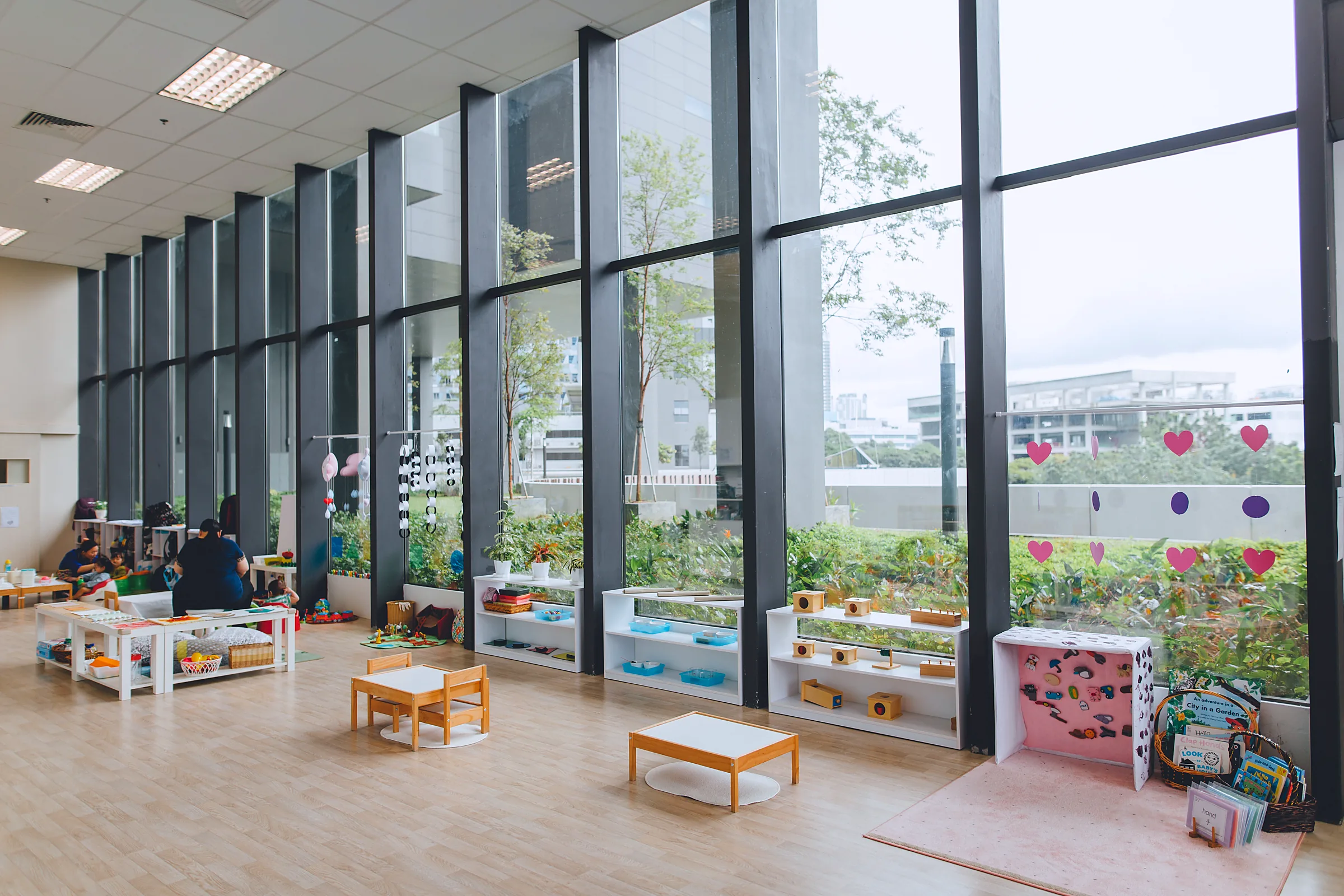
The room teaches before the teacher does. Apparatus on low shelves, in order. Natural light. A reading nook. A place for everything, and the child put it there.


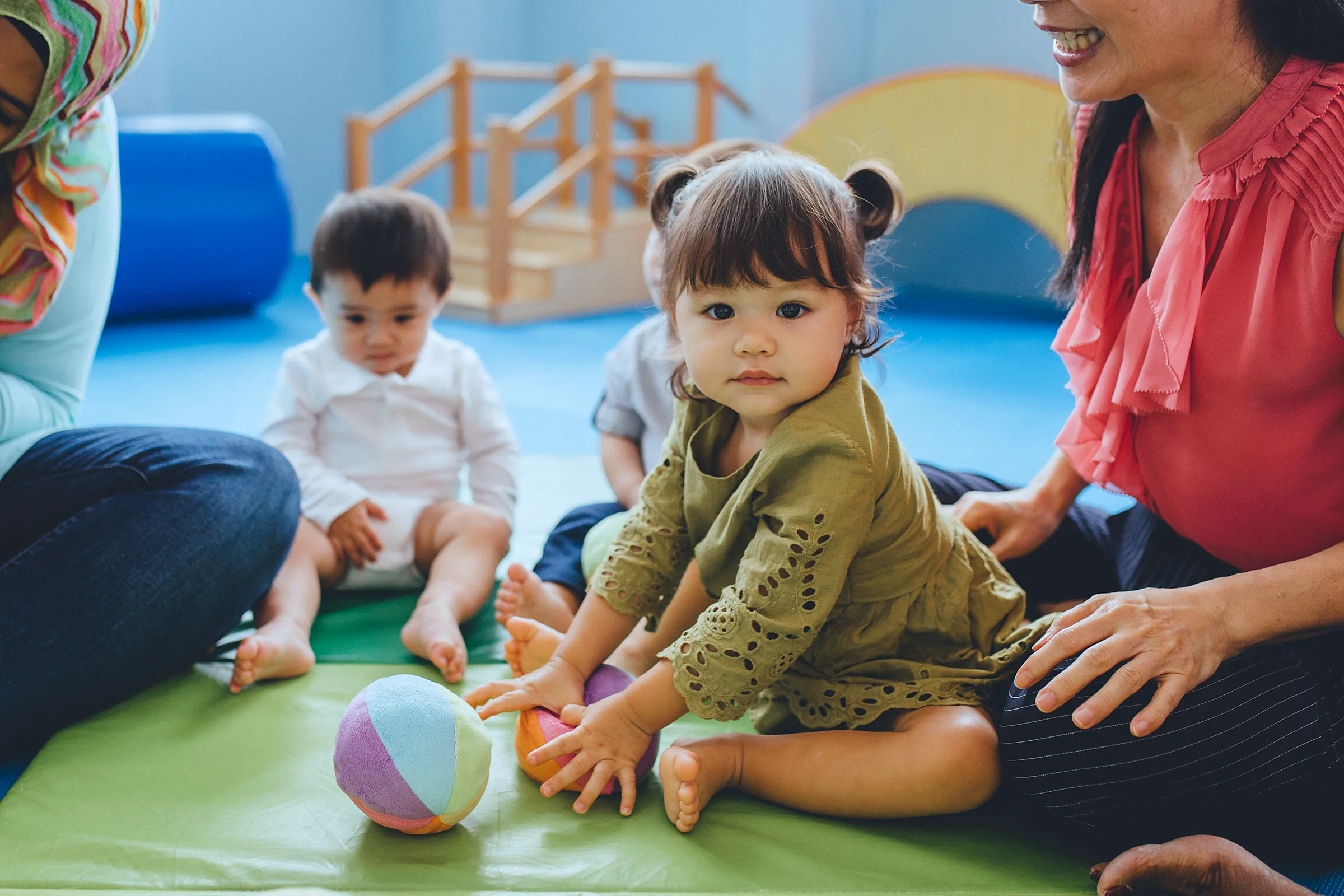
Running two full methods in parallel costs us in teacher time and training. We chose it anyway. By the Primary Years, a Josiah child has the focus to sit with a hard problem, the language to talk about it in both English and Mandarin, and the stage time to say what they made of it out loud.
We built it because Montessori and MAP do different things. Children with both arrive at the Primary Years ready.
Many of our families stay across siblings, across centres, across the years from Infant to K2.
For six years, since she was a little infant, Josiah was truly our daughter’s second home.
Her face would light up the moment she saw her teacher. She’d head straight in without looking back to say goodbye.
I sent my first child here, and after she graduated I didn’t hesitate to enrol my younger one too.
My child has grown tremendously in confidence and expression since joining the Musical Arts Programme.
From his first nervous day to his confident self at graduation, the teachers have been nothing short of amazing.
Central and East. Pick the one nearest you and book a morning visit.
The twofold inheritance • What graduates carry into Primary 1
Walk through the space, see the twofold environment, ask any questions. Bring your child if you like. We watch for willingness to explore. The visit takes 45 minutes.